
A documentary series about pop and rock albums that are considered the best or most distinctive of a well-known band or musician or that exemplify a stage in the history of music.
Classic Albums
3.9
1997-04-14Discover series with ratings, seasons, genres, and viewing information.

A documentary series about pop and rock albums that are considered the best or most distinctive of a well-known band or musician or that exemplify a stage in the history of music.

Gary Wallace, a teenager who dreams of beautiful women and a cheerful life, and his only friend, the shy and geek Wyatt Donnelly, always serve as a target for ridicule and bullying of violent classmates. Once using a computer and mysterious electrical radiation, they manage to bring to life the "woman of their dreams." Her name is Lisa, and she is ready to fulfill the wishes of her creators ...

Yukiko Makabe works at the #3 Special Investigation Team of the Metropolitan Police Department. She has excellent negotiation skills. Yukiko then attempts to negotiate with a hijacker on a bus, but something unexpected happens and her mission fails. Yukiko takes full responsibility and takes a transfer to a special interrogation team "Kintori". Her boss is Katsutoshi Kajiyama and Yukiko has had a difficult working relationship with him in the past. Her other coworkers include Susumu Hishimoto, Zenjiro Nakata and Haruo Koishikawa.

Set in a time of explosive change, new things and fashion are endless. "Everybody's Somebody's Favourite" portrays the stories of three families, reflecting the "grassroots", "middle-class", and "wealthy" classes. The head of the "grassroots" family, Yang Wenzheng, is conservative and timid, while his wife Yin Yuping is a new-era housewife. The series depicts different aspects of society and its unique phenomena through a light and humorous touch.

Insecure bank clerk Stanley Ipkiss uses an ancient mask to gain superpowers while taking on the mischievous and cartoonish, but heroic and good-hearted personality of The Mask
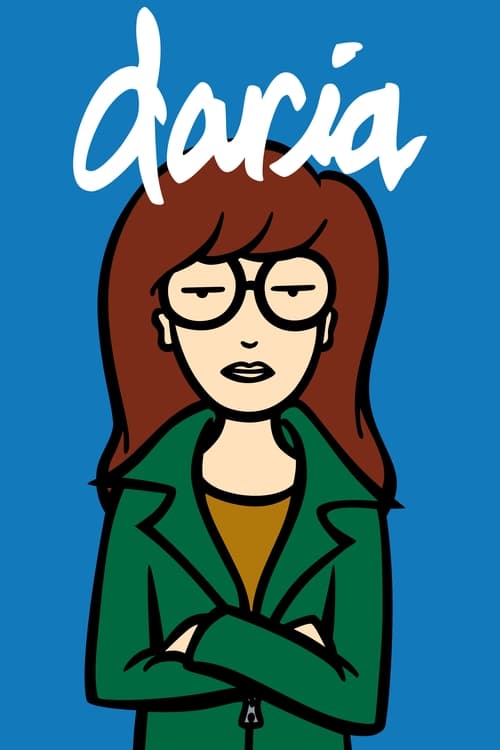
After moving to a new town with her stressed-out parents and relentlessly popular little sister, Daria uses her acerbic wit and keen powers of observation to contend with the mind-numbingly ridiculous world of Lawndale High.

RK Multispeciality Hospital is a beacon of hope and healing. Its doctors are resilient even when they have to deal with medical and personal challenges.

After middle school, with its bullying and nicknames, Uka Ishimori is excited for a fresh start at Hachimitsu High School. Kai Miura, a cool and uninhibited boy, sits next to her in class. Uka remembers she met Kai in middle school and with a single word, he had convinced her to attend Hachimitsu. Though he’s popular, Kai supports Uka in her efforts to fit in with her new classmates.


Grachi is a young woman who will learn to use her magical powers. She will have to face Matilda and the evil Director of Escolarium, who plans to become the most powerful witch.


Good News Week was an Australian satirical panel game show hosted by Paul McDermott that aired from 19 April 1996 to 27 May 2000, and 11 February 2008 to 28 April 2012. The show's initial run aired on ABC until being bought by Network Ten in 1999. The show was revived for its second run when the 2007–2008 Writers Guild of America strike caused many of Network Ten's imported US programmes to cease production. Good News Week drew its comedy and satire from recent news stories, political figures, media organisations, and often, aspects of the show itself. The show opened with a monologue by McDermott relating to recent headlines, after which two teams of three panellists competed in recurring segments to gain points. The show has spawned three short-lived spin-off series, the ABC's Good News Weekend, Ten's GNW Night Lite and Ten's skit-based Good News World.

In 1930 and as a young child, Tsuneko Kohashi lives at Enshu in Shizuoka Prefecture. She has a happy life with her parents and two younger sisters. Things change after her father dies from tuberculosis. Her father asked Tsuneko Kohashi to take care of the family in his place. Due to financial difficulties, her mother Kimiko decides to move the family to Tokyo where Tsuneko's grandmother lives.
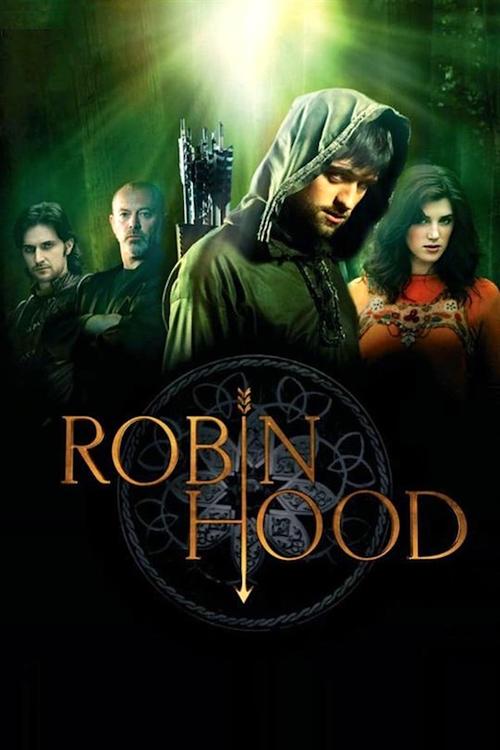
Robin of Loxley returns to England after 5 years of fighting in the crusades alongside King Richard. After losing his estates and being branded an outlaw, he takes on the title of Robin Hood and assembles a ragtag band of outlaw companions. Together they steal from the rich and give to the poor - all the while avoiding and outwitting their enemies Sir Guy of Gisborne and the evil Sheriff of Nottingham.

The BBC's answer to Dynasty, Howards' Way was launched in 1985 with an enormous 1 million pound budget. The main characters in the show were 'best boat designer in the world' Tom Howard, his boutique running wife Jan Howard, 'I'll have a drink' Jack Rolfe and a nasty man called Ken Masters. It starred Maurice Colbourne.

Celebrity Name Game is an American syndicated game show which premiered on September 22, 2014. Based on the board game Identity Crisis (created by Laura Robinson and Richard Gerrits), the series was developed by Courteney Cox and David Arquette's Coquette Productions, and was originally pitched as a primetime series for CBS with Craig Ferguson as host. The series was later picked up by FremantleMedia and Debmar-Mercury as a syndicated series for 2014 with Ferguson, who left The Late Late Show on December 19, 2014, remaining as host as well as an executive producer. The series marks Coquette's first foray into game shows. The show was subsequently renewed for a second season, which premiered on September 21, 2015.
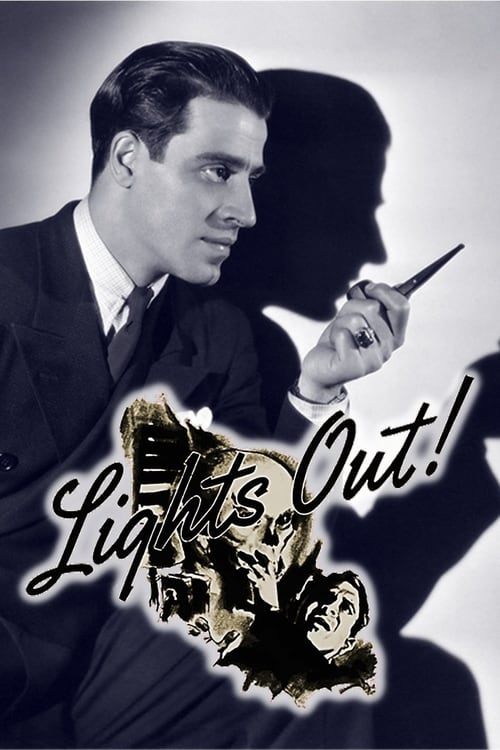
Lights Out was an extremely popular American old-time radio program, an early example of a network series devoted mostly to horror and the supernatural, predating Suspense and Inner Sanctum. Versions of Lights Out aired on different networks, at various times, from January 1934 to the summer of 1947 and the series eventually made the transition to television. In 1946, NBC Television brought Lights Out to TV in a series of four specials, broadcast live and produced by Fred Coe, who also contributed three of the scripts. NBC asked Cooper to write the script for the premiere, "First Person Singular", which is told entirely from the point of view of an unseen murderer who kills his obnoxious wife and winds up being executed. Variety gave this first episode a rave review ("undoubtedly one of the best dramatic shows yet seen on a television screen"), but Lights Out did not become a regular NBC-TV series until 1949.